

Planning a new steel structure is an exciting investment, but for most homeowners and business owners, the first question is always: "How much will it actually cost?"
In 2026, the steel building market has stabilized compared to the volatility of previous years, yet prices still fluctuate based on raw material costs, fuel surcharges, and regional demand. At Solid Rock Structures, we believe in transparency. While we can’t give a "one-size-fits-all" price tag without seeing your specific site and design, we can provide the benchmarks you need to plan your budget effectively.
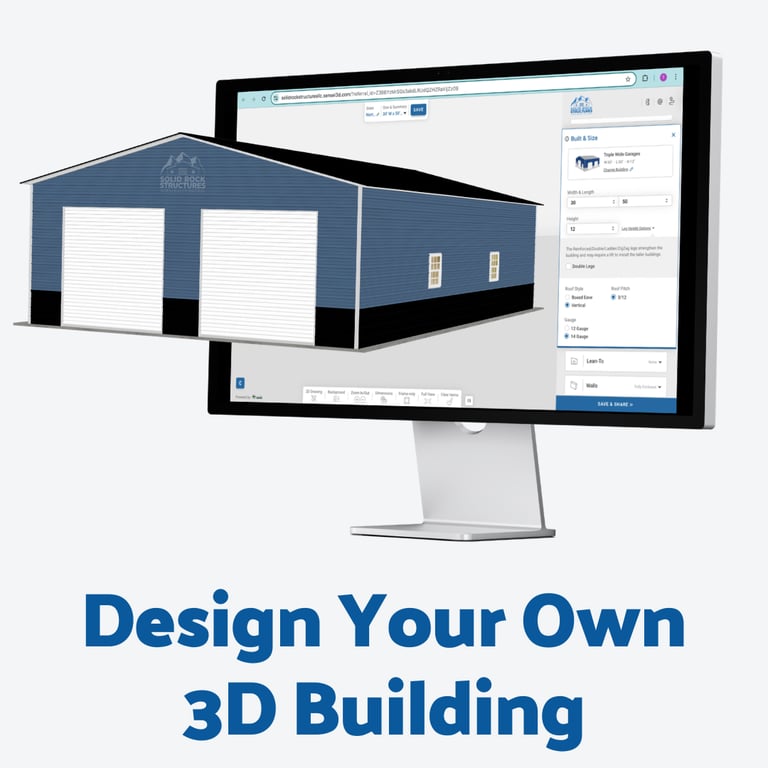
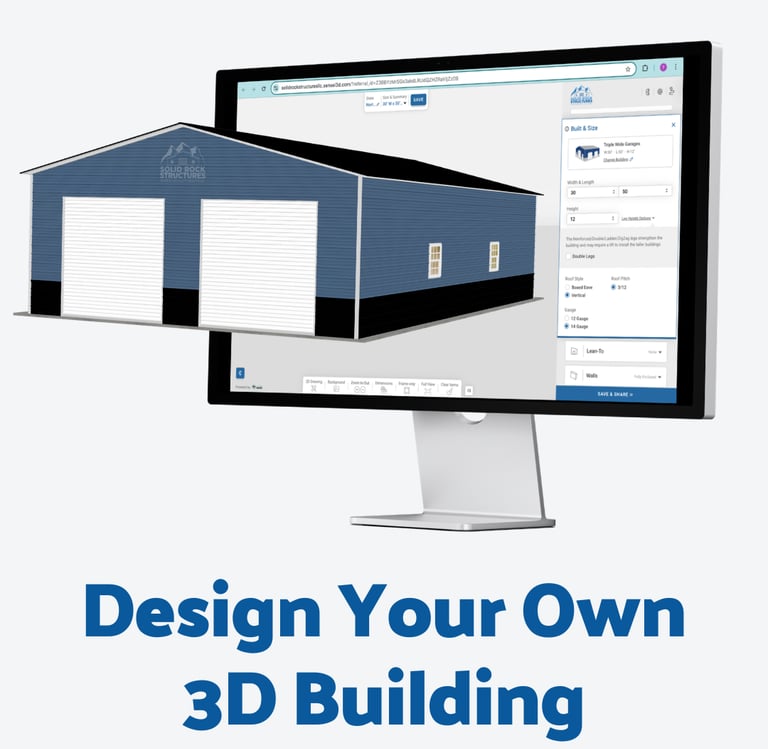
Pricing Disclaimer: Steel prices are subject to market fluctuations. All figures provided below are estimates based on current industry averages as of April 2026. For an exact price tailored to your property, local codes, and customization, please use our 3D Design Tool or request a custom quote.
What Drives the Cost of a Steel Building in 2026?
Before looking at the numbers, it’s important to understand that you aren't just paying for metal. Several factors influence the final estimate:
1.Steel Gauge (Thickness): A 12-gauge frame is thicker and stronger than a 14-gauge frame, often required for higher wind or snow loads.
2.Certification & Engineering: Buildings engineered to meet specific local codes (like Florida’s hurricane standards) require more reinforcement.
3.Site Preparation: The cost of your concrete slab and grading is separate from the building kit but essential for your total budget.
4.Customization: Doors, windows, insulation, and premium colors all add to the base price.
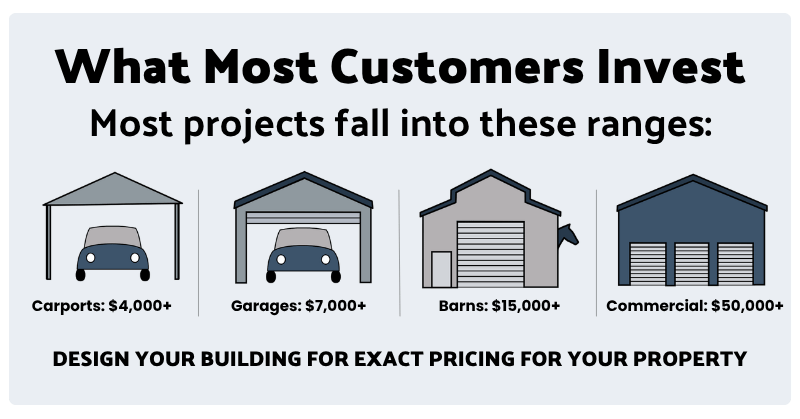
2026 Investment Estimates by Building Type
Here is a breakdown of what most customers in our 7-state service area (NC, SC, FL, VA, WV, KY, GA) are investing in their projects this year:
Dedicated to helping you achieve your steel structure dreams.
833.767.6257
© 2026 All rights reserved.
Contact