Lean-Tos vs. Full Enclosures
Expanding Your Space on a Budget
DESIGN & PLANNING
7/1/20262 min read
Need more covered space but working with a tight budget? You're not alone. Many property owners are looking for cost-effective ways to expand their usable area without the expense of a full, enclosed building. This is where the strategic use of lean-tos comes into play.
At Solid Rock Structures, we specialize in designing steel buildings that maximize utility and value. Let's explore how lean-tos compare to full enclosures and when they make the most sense for your project.
Pricing Disclaimer: Steel prices are subject to market fluctuations. All figures provided below are estimates based on current industry averages as of April 2026. For an exact price tailored to your property, local codes, and customization, please use our 3D Design Tool or request a custom quote.
What is a Lean-To?
A lean-to is essentially a roof extension that attaches to the side of an existing or new steel building. It's open on one or more sides, providing covered space without the full enclosure of walls and doors. Think of it as a permanent, robust awning or a covered porch attached to your main structure.
Lean-Tos: The Budget-Friendly Expansion
Pros:
•Cost-Effective: Significantly cheaper per square foot than a fully enclosed space because you save on wall panels, doors, and complex foundation work.
•Versatility: Ideal for carports, equipment shelters, covered walkways, outdoor workspaces, or shaded recreational areas.
•Natural Ventilation: The open design allows for excellent airflow, making it perfect for hot climates like Florida and Georgia.
•Easy Integration: Can be added to almost any existing steel building or incorporated into a new design.
Cons:
•Limited Security: Open sides mean less protection from theft or vandalism.
•Exposure to Elements: Offers protection from sun and rain, but not from wind, dust, or extreme temperatures.
•Not Insulatable: Cannot be climate-controlled like a fully enclosed space.
Full Enclosures: Maximum Protection & Functionality
Pros:
•Maximum Security: Fully enclosed walls and lockable doors provide superior protection for valuable assets.
•Complete Weather Protection: Shields contents from all elements, including wind, dust, and extreme temperatures.
•Climate Control: Can be fully insulated, heated, or cooled, making it suitable for workshops, offices, or even living spaces.
•Increased Property Value: A well-built, fully enclosed garage or barn often adds more to property value than an open lean-to.
Cons:
•Higher Cost: More expensive due to additional materials (walls, doors, insulation) and more complex construction.
•Requires More Permitting: Often subject to stricter building codes and permitting requirements, especially if intended for human occupancy.
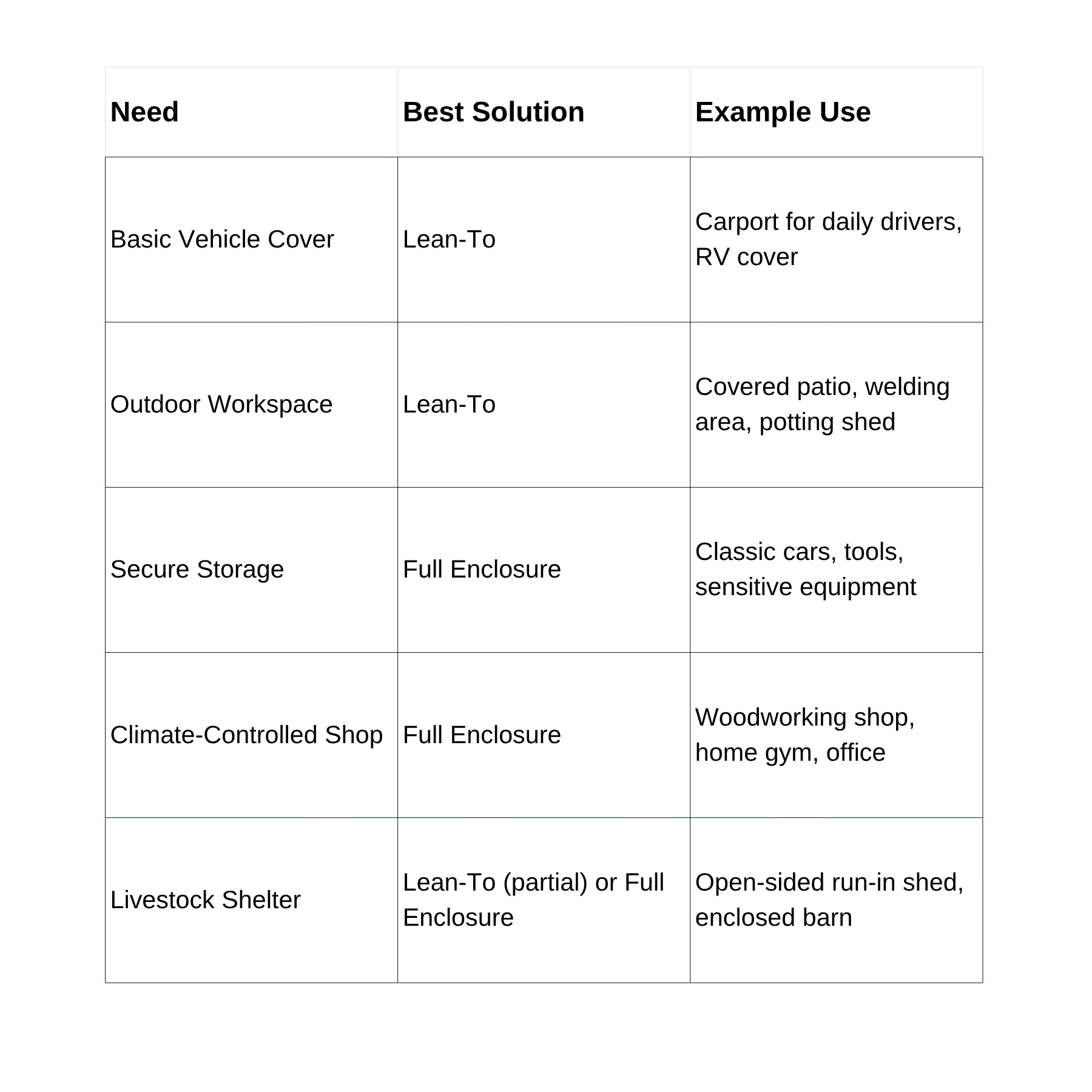
When to Choose Which:
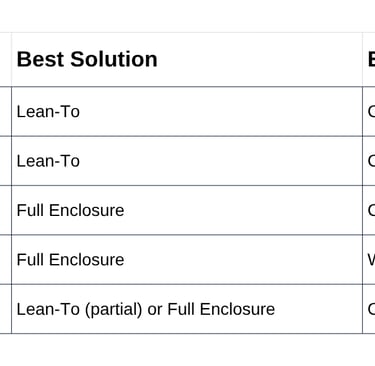
The Hybrid Approach: Best of Both Worlds
Many of our customers in Virginia and North Carolina opt for a hybrid design: a fully enclosed main building with an attached lean-to. This gives you secure, climate-controlled space for sensitive items and an open, protected area for vehicles or outdoor work.
Expand Smartly, Not Expensively
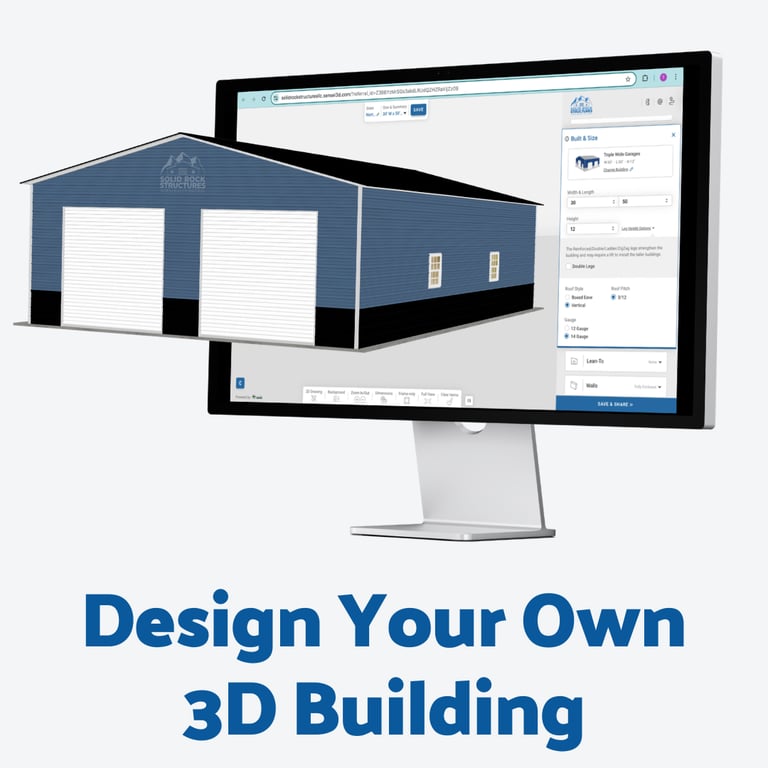
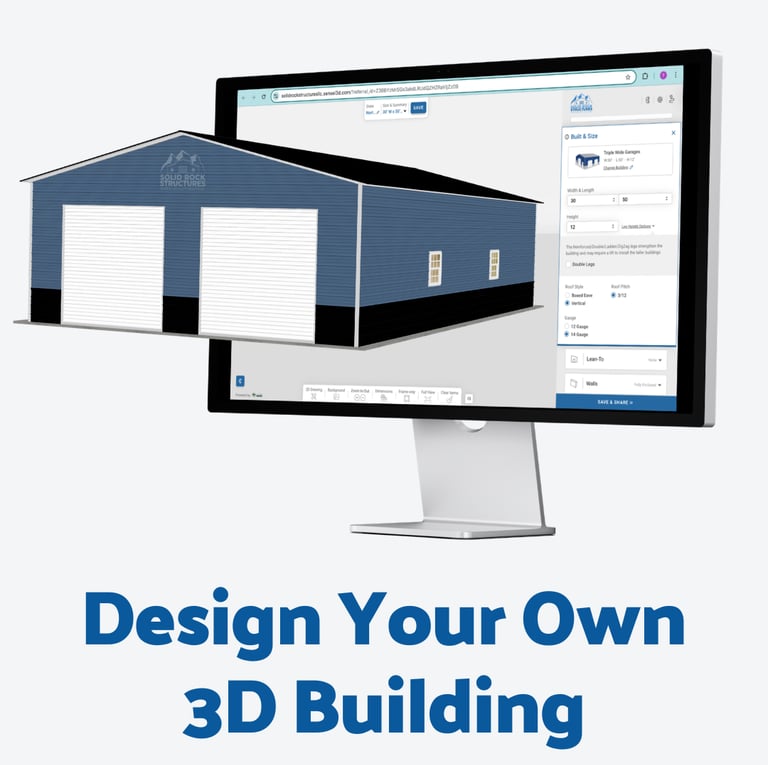
Whether you need a simple covered area or a robust, secure workshop, understanding the difference between lean-tos and full enclosures can help you make the most of your budget. Our 3D builder allows you to experiment with both options, seeing how they affect your design and estimated cost.
Ready to expand your space on a budget?
Design Your Custom Building with Lean-Tos or Request a Quote to discuss your options.
Dedicated to helping you achieve your steel structure dreams.
833.767.6257
© 2026 All rights reserved.
Contact